


Advertising supplements online has never been easy—but in recent years, it has become significantly more complex. Major advertising platforms like Google Ads and Meta (Facebook & Instagram) now enforce much stricter policies around health-related products, making it increasingly difficult for supplement brands to run ads successfully.
Today, brands frequently face ad rejections, sudden account restrictions, and inconsistent approval processes that feel unpredictable. This is largely due to tighter regulations on dietary supplements, combined with more rigorous automated systems and manual reviews for content considered “sensitive.”
As a result, many supplement brands struggle to scale their marketing efforts—especially those operating as 100% e-commerce businesses, where paid advertising is essential for growth.
So, how can you advertise supplements without getting your ads blocked?
At Infini Digital, we’ve spent years working with regulated industries, with a strong focus on the dietary supplement sector. We’ve supported brands in markets like France and Monaco—two of the most tightly regulated environments in Europe when it comes to health and advertising compliance.
In this guide, we’ll share practical strategies to help you run compliant, high-performing supplement ads on Google and Facebook—without risking bans or account shutdowns.
The Reality of Advertising Supplements in 2026
Advertising platforms now review ads much more aggressively than before. AI systems can now examine both the ad itself and its landing page in a matter of seconds.
Health-related ads are being scrutinized even more than usual; therefore, phrases that may look harmless could be viewed as potentially medical, misleading, or exaggerating by ad reviewers and, as a result, get rejected.
.png)
With rising CPMs (cost per thousand impressions), ad rejections are becoming increasingly expensive for supplement brands. Advertisers who understand and adapt to platform policies gain a clear advantage by building more sustainable, compliant advertising strategies.
Why Supplement and Vitamin Ads Get Blocked (6 Root Causes)
1. Prohibited Health & Medical Claims
Platforms do not allow supplements to claim they treat, cure, or prevent diseases. Use of alternative terms may generate further complications. Words such as "heal", "health", or any indication of a medical condition may generate rejections of content submissions.
2. Weight Loss, Body Image and Sensitive Attributes
Advertisements that promote weight loss and body image can’t be advertised freely. These types of advertisements, where a person is described as having lesser value than others or lacks value, typically receive low scores and will be flagged quickly by the Meta platforms.
3. Misleading Promises and Sensational Language
Common phrases such as “results guaranteed”, “instant results”, or “miracle cure” are viewed as being misleading. Even if the consumer understands the meaning behind them, the platforms will not.
4. Non-Compliant Landing Pages
Landing pages must be reviewed as strictly as advertisements. Companies with missing disclaimers, making exaggerated claims, and having unclear ingredients can be denied approval.
5. Creative Policy Violations
Common examples of reasons for rejection in advertisements include before and after photos, close up body shots, aggressive imagery and medical style graphics.
6. Account Trust Signals and History
New accounts, repeated disapproval and history of violations decrease trust level related to your account. Accounts with a lower level of trust will be subjected to a higher level of scrutiny and will be subject to restrictions sooner.
Google Ads Strategy for Supplement and Vitamin Brands
What Google Allows for Supplements
Google grants approval for supplements if they are legally compliant, appropriately marketed as a food additive, and disclose all ingredients accurately. Using restrictive or questionable ingredients will likely increase the likelihood of review rejection.
Building trust with Google's systems can be accomplished by providing certification, clearly identifying labels, and providing an honest product description.
.png)
.png)
.png)
Campaign Types That Work Best
Search campaigns are effective for users with high intent, who are actively searching for products to purchase. Performance Max can scale once the account is stable. Shopping campaigns can be effective if the feeds and policies are compliant (but it’s the trickiest one for supplements!).
Keyword Strategy for Compliance and Scale
Avoid symptom-based or disease-related keywords. Focus on using keywords that reflect the commercial intent of a term, including brand names and category level searches. You should also separate the campaigns for your brand and generic terms so that you have more control over each campaign.
Ad Copy Framework That Gets Approved
Approved ads focus on benefits, not outcomes. They show users how the product will support their needs and reminders of how the product is created using high-quality ingredients and is created in accordance with quality manufacturing standards.
Landing Page Optimization for Google Approval
Make sure your pages load quickly, give clear content, and are easy to navigate. You should include disclosure statements, descriptions of your ingredients, and a FAQ section that complies with what Google requires. All three areas should have clear organization. This will help your page get approved faster and also lead to more conversions.
Bidding and Scaling Without Triggering Reviews
When increasing your budgets, take an incremental approach. Sudden changes may set off flags that require further review by Google. Regularly spending on ads in a consistent manner will demonstrate that your website and business practices are stable in the eyes of Google.
Need help scaling your supplement ads? Infini Digital supports numerous brands with compliant Google Ads strategies built for long-term growth.
How to Sell Health Products With Facebook Ads
Why Facebook Is Powerful for Supplements
Facebook is one of the most effective places for discovering grocery and nutrition products, it's also an excellent way for brands to promote themselves, educate customers and tell their story before they ever attempt to sell a product. Creative testing is significantly faster than testing via search engines.
.png)
.png)
Facebook Targeting Best Practices (2026)
Privacy restrictions have led to broader audiences performing significantly better than practical audiences. Interest stacking must be executed carefully to achieve the best results. Look-alike audiences will work if they are matched with high-quality data.
Funnel Structure That Converts
A successful funnel begins with education, builds trust and finally retargets customers with product-oriented messaging. The sequencing of your creative is more important than how many times your creative can be presented to an audience.
Creative Angles That Perform Without Violations
The best creative angles are lifestyle benefits, education and general wellness oriented. Ads should not contain any accusations made about individuals or make any claims about the health benefits of products.
Scaling While Protecting Account Health
When scaling, the requirements for creative rotation, good feedback scores and consistent messaging must be fulfilled for your scaling to be successful. If you burn through your creativity too quickly, your risk of being reviewed will be greatly increased.
How to Promote Healthcare Products on Facebook Without Getting Restricted
You can promote healthcare products on Facebook, but brands must adhere to the Meta healthcare advertising policy. Health advertising on Meta is very strict, and even minor errors can result in either rejected ads or limited accounts. Therefore, keep your promotion focused on education rather than sales, and how it relates to the user.
Sensitive Attribute Rules Explained
Using health conditions as a basis for advertising is strictly prohibited. Therefore, you should always use general messages about good overall health versus directly addressing the user.
Personal Health Targeting Pitfalls
Targeting people based on health issues is not allowed. Broad targeting, interest-based audiences, and lookalikes are safer options.
Approved vs Risky Messaging Examples
Ads that focus on general quality of life enhancements are acceptable to Facebook while those with claims that heal, deliver results or result in a significant lifestyle change are not.
Image and Video Compliance Rules
Facebook prohibits the use of before and after photos, all medical symbols and photos that are considered shocking. Instead, use basic product images and lifestyle photos.
What Triggers Manual Reviews
Repeated denials of your ads, excessive ad claims, and rapid increases in ad budgets are the primary reasons for triggering a manual reviewing process against your business.
If you're looking for a way to promote your healthcare products on Facebook without restrictions; simply schedule a call with us!
.png)
.png)
How to Create Supplement Ads That Convert in 2026
In 2026, supplement ads that convert focus less on hype and more on clarity, trust, and education. High converting supplement advertisements are perceived to be natural, informative, and easy to digest within regulated markets.
Creative Trends in 2026
Short-form video continues to lead, especially on Meta and YouTube Shorts. Founder storytelling builds trust by showing the people behind the brand. Educational hooks work well by explaining ingredients, sourcing, or daily use in a simple way.
High-Converting Ad Copy Formula
Start with a clear hook that grabs attention. Follow with real value, such as what the product supports in everyday life. Add proof through reviews, certifications, or brand credibility. End with a soft CTA that invites action without pressure.
Creative Testing Framework
Test multiple creatives at once to find winners faster. Set clear kill rules to pause ads that do not perform early. Scale only the ads that stay compliant and show stable results.
CRO for Supplement Funnels
Fast page speed is critical to avoid drop-offs. Trust badges and clear disclaimers help users feel safe. A simple, smooth checkout UX improves conversions without adding friction.
Google vs Facebook: Which Platform Is Best for Supplement Brands?
Although both platforms support supplement retailers, they have different purposes. Brands need to consider their budget, risk tolerance, and current position in their growth journey when determining which platform is best for them.
Most successful supplement brands use Google Ads for intent-driven sales and Facebook Ads to educate, nurture, and retarget audiences safely.
Compliance Checklist: How to Avoid Getting Your Ads Blocked
This checklist helps reduce rejections and protects account health when advertising supplements and healthcare products.
.png)
Ad Copy Checklist
- Use soft, benefit-led language.
- Avoid medical claims, guarantees, or promises of results.
- Do not mention personal health conditions or outcomes.
Creative Checklist
- No before-and-after images or body-focused visuals.
- Avoid symbols that imply medical treatment or diagnosis.
- Keep visuals clean, educational, and lifestyle-oriented.
Landing Page Checklist
- Clearly list ingredients and product information.
- Add visible disclaimers and compliance statements.
- Ensure fast loading speed and a simple user experience.
Account Safety Checklist
- Warm up new ad accounts slowly.
- Avoid frequent ad rejections or sudden scaling.
- Keep business details, domains, and billing consistent.
If avoiding rejections feels overwhelming, working with a specialized agency, such as Infini Digital, can save time, protect ad accounts, and accelerate compliant growth.
What To Do If Your Supplement Ads Get Disapproved or Account Is Restricted
How to Appeal Correctly
- Before appealing, read the policy reason carefully.
- Explain what you’ve changed in simple, clear terms and keep it professional.
- Avoid submitting multiple appeals without making real updates — that usually hurts more than it helps.
When to Duplicate vs Fix
- If the issue is wording, imagery, or a landing page claim, fix the ad and resubmit it.
- Duplicate only when the rejection looks like a review error rather than a real violation.
- Never resubmit an identical ad that was already rejected.
Recovery Timeline Expectations
- Most single ad rejections are reviewed within 24–72 hours.
- Account restrictions can take longer, especially if there’s a history of issues.
- The cleaner your account, the faster approvals usually return.
When to Restart an Account (and when not)
- Creating a new account should be the absolute last option.
- Creating new accounts to bypass restrictions can permanently block your business.
- In most cases, fixing compliance issues and restoring trust is the safer, smarter move.
Real Examples of Compliant Supplement Advertising
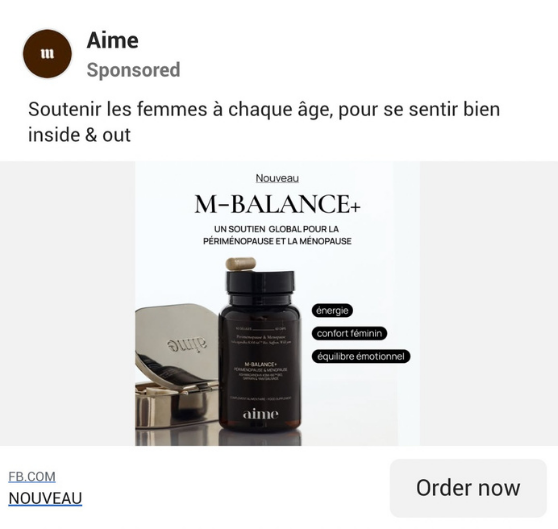
Compliant Google Search ads will highlight the quality of the product, include everyday support, and do not mention product outcomes related to medicine. No medical condition or promise related to the product's outcome, but will include clear value, trust factors, and call to action are safe.
.png)
.png)
.png)
.png)
.png)
.png)
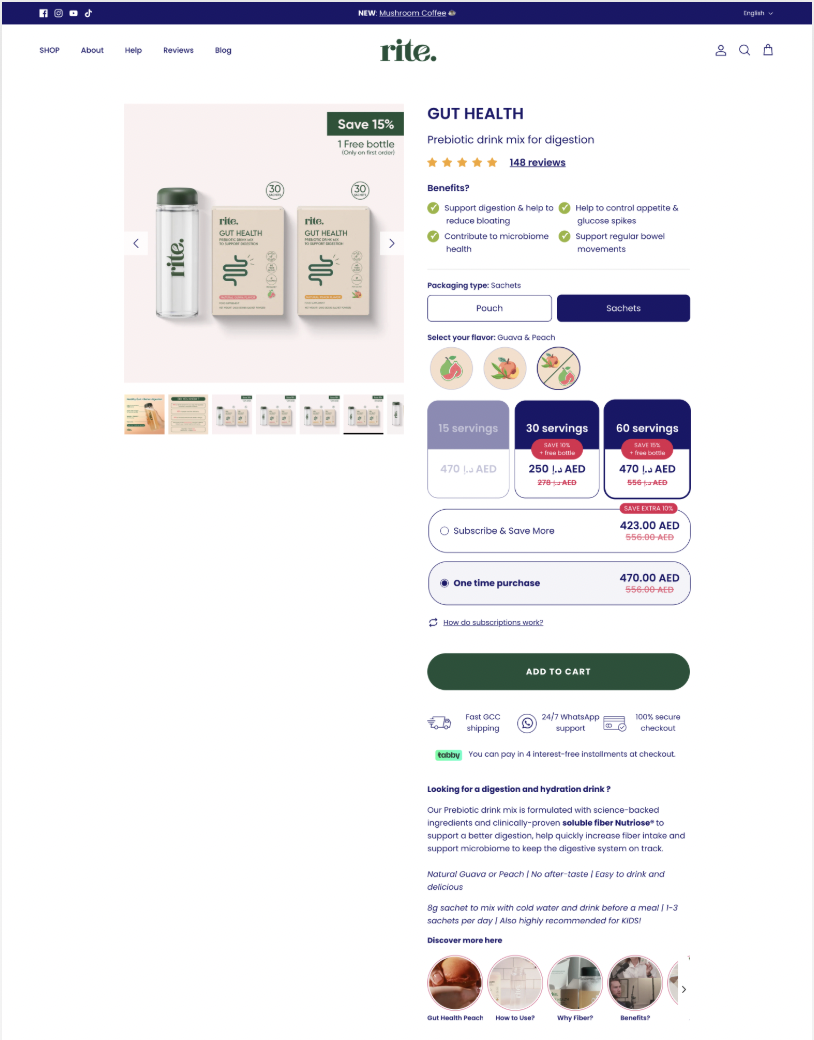
Landing page structure example
A compliant landing page will start with the product position, then ingredient list, usage instruction, certification, and then legal disclosures. Social proof and frequently asked questions build trust, while there will be no medical statements or hyperbolic statements related to the products.
When to Work With a Specialized Supplement Advertising Agency
Advertising supplements doesn't only involve performance but also provides protection to both your ads and brands. With increased regulations and automated reviews, one misstep may cause a campaign to be delayed or an account to experience issues.
Using a supplement advertising agency will help to eliminate this risk on day one. By incorporating compliance into the marketing strategy, brands can receive faster approvals, avoid multiple denials, and have much more consistent ROAS during their scaling efforts without worries about a sudden ban or shutdown.
Working with a specialized agency can help your supplement brand scale. Contact Infini Digital to evaluate your current ad setup and identify new compliant routes for growth.

%20What%20is%20lead%20scoring%20tool%20in%20HubSpot%20and%20how%20to%20use%20it%20in%202026.png)


.webp)
.webp)
.webp)